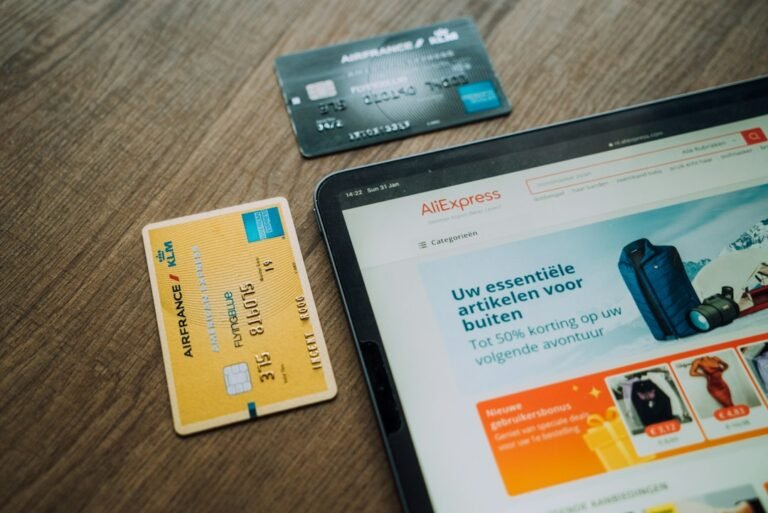
Adding the trust signals that lift checkout conversion to your e-commerce site can make a significant difference in sales, as they help to establish credibility with potential customers, and reduce the likelihood of cart abandonment. According to a study by the Baymard Institute, the average cart abandonment rate is around 69.57 percent, with a lack of trust in the site being one of the main reasons for this. In this article we will look at the different types of trust signals that can be used to lift checkout conversion, and provide examples of how they can be implemented.
A trust signal is any element on a website that helps to establish trust with the user, and can be something as simple as a security badge, or as complex as a detailed product review. The key is to provide the user with the information they need to feel confident in their purchase, and to make the checkout process as smooth and efficient as possible. This can be achieved by following best practices, such as those outlined in the Google Search Central webmaster guidelines, which provide guidance on how to create a trustworthy and user-friendly website.
Types of trust signals
There are many different types of trust signals that can be used to lift checkout conversion, including security badges, customer reviews, and trustpilot ratings. Security badges are a simple and effective way to establish trust with the user, as they provide a visual indication that the site is secure, and that the user’s personal and financial information will be protected. Customer reviews are also an effective way to establish trust, as they provide social proof that the product or service is of high quality, and that other customers have had a positive experience.
Trustpilot ratings are another type of trust signal that can be used, as they provide an independent review of the site, and can help to establish credibility with the user. According to a study by Trustpilot, sites that display their trustpilot rating on their website see an average increase in sales of 10 percent. This is because the trustpilot rating provides a level of transparency and accountability, and helps to establish trust with the user.
In addition to these types of trust signals, there are also other elements that can be used to establish trust with the user, such as a clear and concise returns policy, and a detailed product description. A clear and concise returns policy helps to establish trust with the user, as it provides them with the information they need to know that they can return the product if they are not satisfied. A detailed product description also helps to establish trust, as it provides the user with the information they need to know that the product is of high quality, and that it will meet their needs.
Implementing trust signals
Implementing trust signals on an e-commerce site can be a simple and effective way to lift checkout conversion, and can be achieved by following a few simple steps. The first step is to identify the types of trust signals that are most relevant to the site, and to determine how they can be implemented. For example, if the site sells products that are subject to a high level of scrutiny, such as food or pharmaceuticals, then a detailed product description and a clear and concise returns policy may be the most effective types of trust signals to use.
The next step is to ensure that the trust signals are prominently displayed on the site, and that they are easy for the user to find. This can be achieved by placing the trust signals in a prominent location on the page, such as in the header or footer, and by using a clear and concise design that makes them easy to read and understand. According to a study by Moz, sites that display their trust signals prominently see an average increase in sales of 15 percent.
A worked example
A good example of how trust signals can be used to lift checkout conversion is the site of a well-known online retailer, such as Amazon. Amazon uses a range of trust signals, including customer reviews, trustpilot ratings, and a clear and concise returns policy, to establish trust with the user and to make the checkout process as smooth and efficient as possible. For example, on the product page, Amazon displays a detailed product description, as well as customer reviews and ratings, to help the user make an informed decision about their purchase.
Amazon also uses a clear and concise design to make the trust signals easy to read and understand, and to ensure that they are prominently displayed on the page. For example, the customer reviews are displayed in a prominent location on the page, and are easy to read and understand. According to a study by the Baymard Institute, Amazon’s use of trust signals has helped to establish the site as one of the most trusted online retailers, and has contributed to the site’s high level of sales and customer satisfaction.
How to apply it
To apply the trust signals that lift checkout conversion to your own e-commerce site, you will need to follow a few simple steps. The first step is to identify the types of trust signals that are most relevant to your site, and to determine how they can be implemented. The next step is to ensure that the trust signals are prominently displayed on the site, and that they are easy for the user to find.
One way to do this is to run a free scan of your store, using a tool such as the Audience Connect store scanner, to identify areas where trust signals can be improved. This can help you to identify areas where trust signals are missing, or where they can be improved, and to make the necessary changes to lift checkout conversion and increase sales.
In addition to using trust signals, it is also important to ensure that the checkout process is as smooth and efficient as possible, and that the user has all the information they need to make an informed decision about their purchase. This can be achieved by following best practices, such as those outlined in the Google Search Central webmaster guidelines, and by using a clear and concise design that makes the site easy to navigate and use.
Common mistakes
There are several common mistakes that e-commerce sites make when it comes to trust signals, including failing to display them prominently, and failing to keep them up to date. Failing to display trust signals prominently can make it difficult for the user to find them, and can reduce their effectiveness in establishing trust and lifting checkout conversion.
Failing to keep trust signals up to date can also reduce their effectiveness, as it can make the site appear outdated and untrustworthy. For example, if a site is displaying a security badge that is no longer valid, it can make the site appear insecure and untrustworthy, and can reduce the user’s confidence in making a purchase.
- Not displaying trust signals prominently
- Not keeping trust signals up to date
- Not using a clear and concise design to make trust signals easy to read and understand
- Not providing the user with all the information they need to make an informed decision about their purchase
By avoiding these common mistakes, and by using the trust signals that lift checkout conversion effectively, e-commerce sites can establish trust with the user, and increase sales and customer satisfaction.
Audience Connect
We help online stores find and fix the money quietly leaking out of their checkout. These guides are part of that work. Want to see where your own store is leaking?
Scan your store free